In the ever-evolving financial markets, Execution Management Systems (EMS) and Order Management Systems (OMS) are the backbone of modern trading desks. These tools drive efficiency, streamline workflows, and provide the insights traders need to stay competitive. But as markets grow increasingly complex, so do the challenges and opportunities surround EMS and OMS technology.
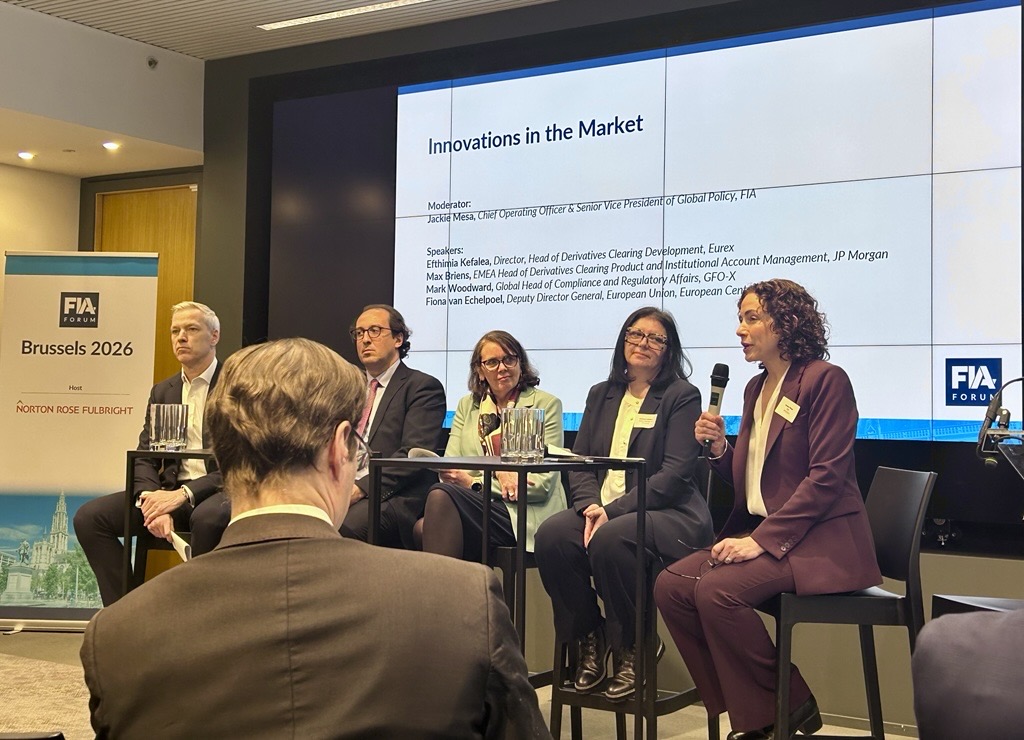
At the recent France FIXTradingCommunity, industry leaders shared their perspectives on the future of EMS and OMS. Here are the key takeaways:
Seamless Integration for End-to-End Workflows
EMS and OMS integration has become a necessity for managing pre-trade, trade, and post-trade processes. These systems allow traders to:
- Route orders more effectively.
- Access actionable analytics in real-time.
- Simplify execution across multiple asset classes.
- By connecting these systems, trading desks can reduce inefficiencies and improve overall execution quality.
Meeting the Diverse Needs of Users
Trading organizations are not one-size-fits-all, and neither are their EMS-OMS needs.
Execution desks prioritize pre- and post-trade information for making quick, informed decisions.
Developers and analysts often require access via APIs, Python notebooks, or custom dashboards.
Flexibility is critical to cater to the unique workflows of these personas, ensuring everyone gets the tools they need to succeed.
Adapting to High-Touch and Low-Touch Strategies
From managing large block trades in fixed-income markets to automating high-volume equity trades, EMS and OMS solutions must adapt to a variety of trading strategies:
- High-touch workflows focus on liquidity sourcing for large, bespoke trades.
- Low-touch workflows rely on automation to handle high-frequency, systematic trades.
- Having systems that can seamlessly support both approaches is becoming a competitive differentiator.
Data Quality: The Cornerstone of Success
With the flood of market data, the biggest challenge isn’t access—it’s quality. Poorly normalized or duplicate data undermines decision-making and reduces system efficiency. Conference experts emphasized the need for:
- Clean, normalized data to power EMS-OMS workflows.
- Advanced tools for data validation and standardization to ensure consistent insights.
Opportunities for Innovation
The future of EMS and OMS lies in innovation. Panelists highlighted key areas for growth:
- Expanding automation capabilities to increase efficiency.
- Developing custom APIs for more tailored integrations.
- Leveraging advanced analytics to provide actionable insights for traders.
Balancing Innovation with Usability
The France Trading Conference also underscored the importance of balancing innovation with usability. As trading desks adopt cutting-edge technology, systems must remain intuitive and user-friendly, especially as new features like advanced data analytics are introduced.
The Road Ahead
The conversation made one thing clear: EMS and OMS are more than just tools—they’re enablers of modern trading. By addressing challenges like data quality and offering flexible solutions for diverse user needs, these systems will continue to play a pivotal role in driving trading efficiency and innovation.
As the industry evolves, so too must the tools we rely on.
Don’t forget to subscribe to our newsletter to stay informed on perspective on the future of EMS and OMS!